Utah offers incredible opportunities for outdoor recreation, but our local lakes and rivers require a safety mindset while enjoying them. Drowning is the number one cause of death for children ages 1 to 4, and the risk persists even as they age. As parents look forward to spending time at destinations like Deer Creek Reservoir or the Provo River, understanding local risks and regulations is the best way to ensure a safe season.
Understanding the Risks of Open Water in Utah
Natural bodies of water present unique hazards that are often hidden from view. Unlike a controlled pool environment, Utah’s lakes and rivers contain murky water, hidden debris (such as sharp rocks), and underwater vegetation that can entangle a swimmer.
Deceptive currents are another significant concern. During the spring runoff, even shallow-looking water can be powerful enough to sweep a child off their feet. Furthermore, the temperature of mountain-fed water stays cold well into the summer, which can lead to muscle cramps or a physical shock that makes it difficult for even a strong swimmer to stay afloat. These factors combine to make water safety a primary concern whenever around natural waters.
Utah Life Jacket Laws and Boating Safety
One of the most effective ways to protect your family is to consistently use life jackets. Utah law is very specific regarding their use to prevent tragedy on the water.
- Mandatory Wear: Children ages 12 and under are required to wear a properly fitted, US Coast Guard–approved life jacket at all times while on a boat or other water vessel.
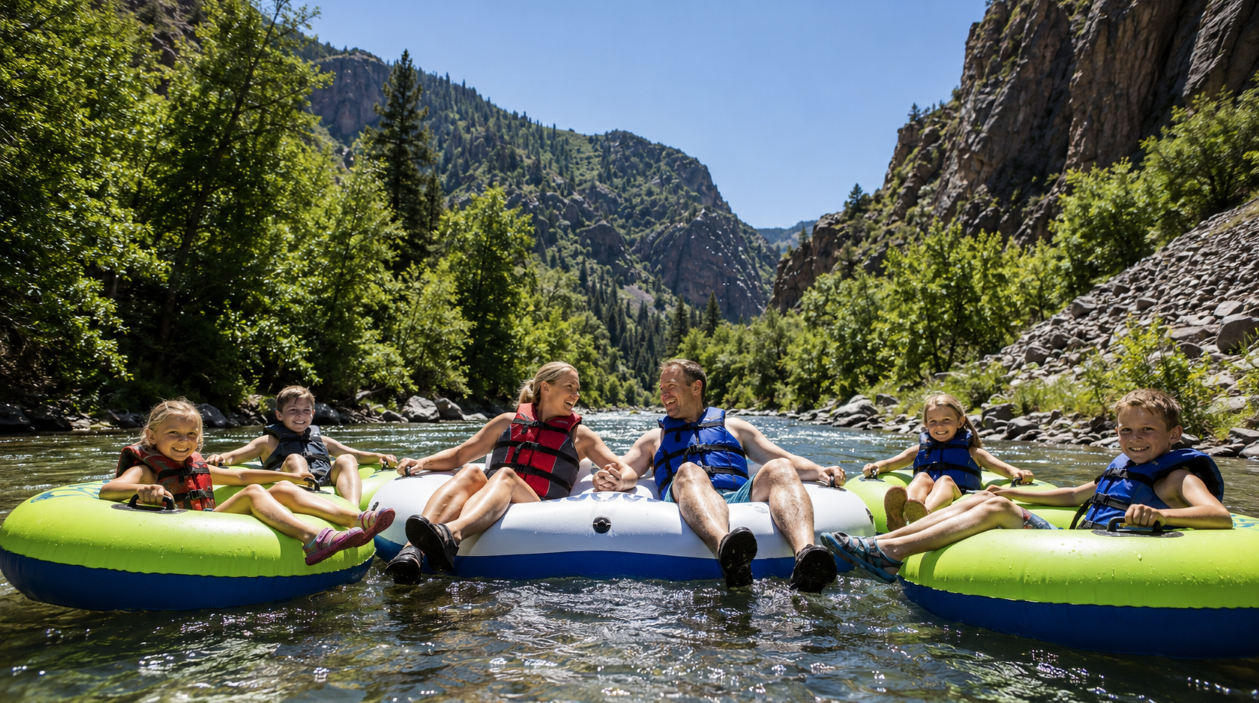
- Vessel Definition: This law applies to more than just motorboats; it includes personal watercraft, kayaks, paddleboards, and even inner tubes.
- Proper Fit: A life jacket is only effective if it fits correctly. It should be snug enough that it does not slide up past the child’s chin or ears when you lift it by the shoulder straps.
- Safety Record: Similar to how vaccines have a strong safety record for preventing disease, life jackets have a proven track record of preventing water-related fatalities.
Drowning Prevention for Toddlers and Preschoolers
Supervision is the cornerstone of water safety. For younger children, we recommend practicing touch supervision—i.e., an adult is within arm’s reach at all times when the child is in or near the water.
To prevent distractions, many families use a water watcher system. This involves designating one adult to be solely responsible for monitoring the children for a set period. This person should avoid all distractions, such as phones or books, until they officially hand off the responsibility to another adult.
Even with careful supervision, accidents on the water are always a possibility. Knowing basic first aid, specifically CPR, can save lives. Taking CPR and first aid classes in Utah to ensure that you are prepared for an emergency is a great idea, especially if your children spend a significant amount of time in and around water.
Recognizing the Silent Reality of Drowning
A common misconception is that drowning involves splashing and shouting for help. In reality, drowning is often deceptively quiet.
- The Instinctive Response: When someone is struggling to stay afloat, their body’s primary objective is to breathe, not to signal for help. This means they are usually unable to wave or yell.
- What to Look For: Watch for a child whose head is low in the water with their mouth at water level, or someone who appears to be “climbing an invisible ladder” with their arms without making forward progress.
- The Importance of Noise: Children are naturally noisy when playing in water. If things suddenly get quiet, it is a major red flag that requires immediate investigation.
The Danger of Cold Water Shock
In Utah, it is common to have air temperatures in the 90s while the water in our mountain-fed reservoirs remains significantly colder. On these hot days, children are eager to jump off boats or docks to cool down, but the extreme temperature difference is a primary driver of cold water shock.
The moment a child’s body hits the cold water, the skin’s cold receptors trigger an immediate, uncontrollable gasp for air. If this occurs underwater, the child can inhale water directly into their lungs. Following the initial gasp, the body begins to hyperventilate. This rapid, uncontrolled breathing can last for several minutes, making it nearly impossible for a child to keep their head above water or signal for help.
Cold water shock also causes an immediate spike in heart rate and blood pressure, which can lead to dangerous heart arrhythmias, even in healthy children. The risk of cold water shock is especially high earlier in the season when water temperatures haven’t caught up to high air temperatures.
Myth-Busting: “Dry” and “Secondary” Drowning
Many parents worry about “dry” or “secondary” drowning occurring days after a swim. Medical experts now prefer the term nonfatal drowning to describe these incidents.
- Timing Is Key: Complications from water inhalation do not happen weeks or even days later without symptoms. If a child aspirates water, signs typically appear within the first eight hours.
- Symptoms to Watch: Seek immediate medical care if your child has a persistent or worsening cough, trouble breathing, extreme sleepiness, or vomiting after a water incident.
- When in Doubt: If your child was submerged or struggled in the water, monitor them closely. If they seem “off” or develop any respiratory issues, head to the nearest emergency room.
Utah Water Safety: Frequently Asked Questions for Parents
How can I tell if a Utah lake is safe to swim in?
Water conditions can change quickly due to environmental factors. We recommend checking the Utah Department of Environmental Quality website for advisories regarding harmful algal blooms. If the water appears to have thick floating mats or looks like spilled green paint, keep your children and pets out of the water.
What is swimmer’s itch, and is it dangerous?
Swimmer’s itch is caused by tiny parasites found in warm, shallow water. While it is not dangerous, this temporary, itchy rash can be very uncomfortable. To help prevent it, have your children shower or towel-dry immediately after leaving the lake to remove any parasites before they can affect the skin.
Is it safe for my child to play in the river during spring?
Spring runoff makes Utah’s rivers exceptionally dangerous. The water is often much deeper and faster than it appears, and submerged objects, such as fallen trees, can trap a person underwater. It is best to keep children away from riverbanks during peak runoff periods.
What should I do if my child goes missing near water?
Always check the water first. Seconds are critical in an immersion incident. Check any nearby pools, hot tubs, or natural water sources before looking anywhere else.
Taking Action for Safety
Just as we prioritize the annual flu vaccine to protect our children’s health, we must prioritize water safety gear and education to protect them outdoors. The most crucial step parents can take is to stay vigilant and prepared while on the water.
If you have any concerns about your child’s health after a day on the water, or if they show symptoms like a high fever or persistent cough, please call your pediatrician’s office immediately. We’re here to help and make sure your child stays healthy and enjoys many more happy days on the water!




 Medicines & Dosages
 Pay Your Bill
 Surveys & Questionnaires
 Pediatric Newsletter
 Patient Portal
 Locations