“The goal is not to make your child completely calm before going to school. The goal is for the child to go to school, even while feeling nervous, and learning the feeling passes.”
– Dr. Koller
Here’s What Parents Should Know
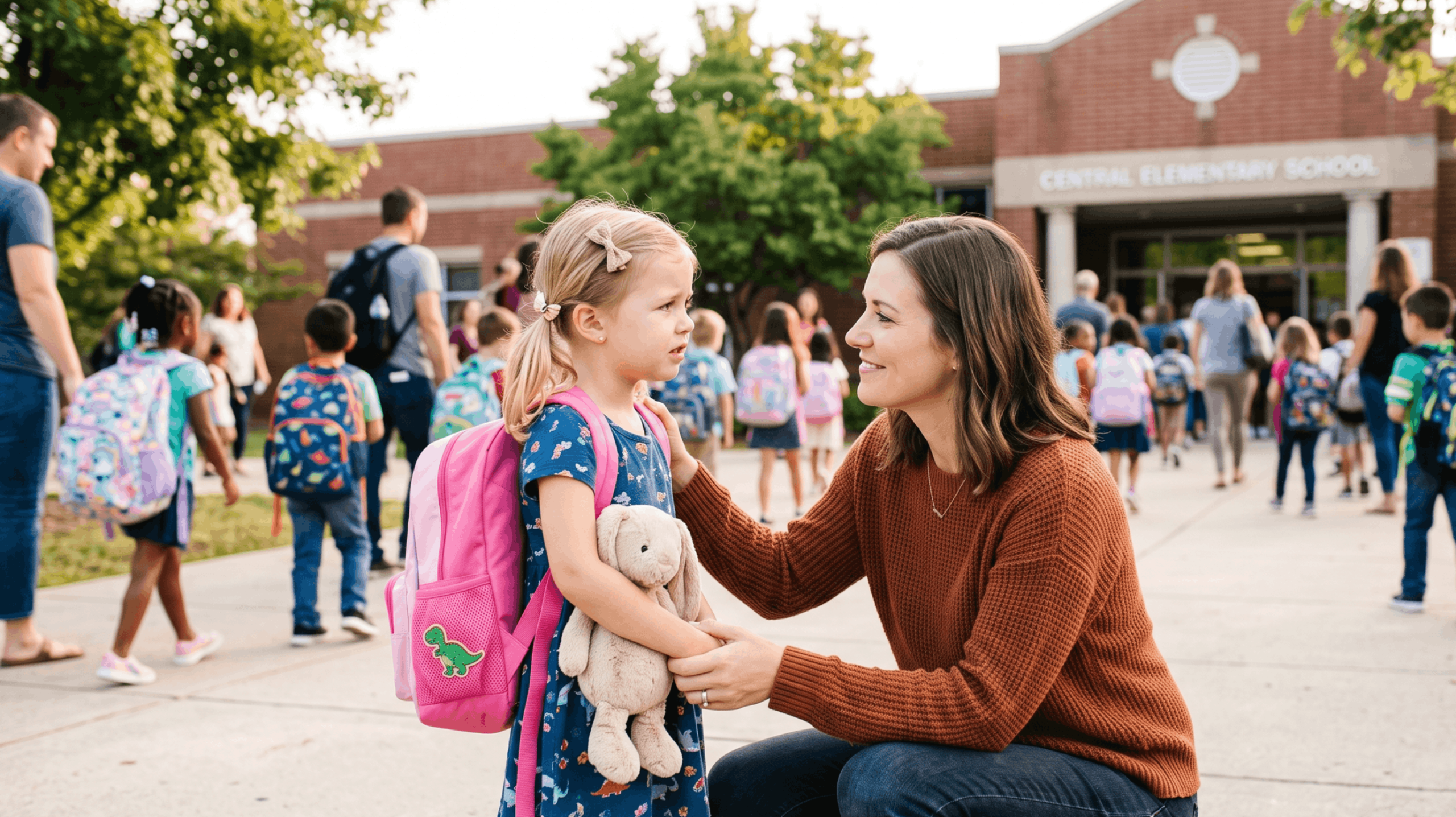
The start of a new school year is an exciting milestone, but it’s also one of the most common times for children to experience anxiety. In fact, the American Psychological Association reports that nearly two-thirds of parents say the back-to-school season is a significant source of stress for their family. For many children, those emotions show up as nervousness, clinginess, trouble sleeping, or even stomachaches before the first day of class.
At Utah Valley Pediatrics, one of the questions we hear every August is: “Is this normal—or should I be worried?”
The reassuring news is that some anxiety about returning to school is completely normal. Whether your child is starting kindergarten, moving to middle school, or simply adjusting to a new teacher, a little nervousness is often part of healthy emotional development.
The key is knowing the difference between normal back-to-school jitters and anxiety that begins affecting your child’s daily life.
Why Do Children Feel Anxious About Going Back to School?
Every school year brings change.
Children may worry about making new friends, meeting a new teacher, keeping up with schoolwork, navigating a different classroom, or simply leaving the comfort of summer behind. Even children who genuinely enjoy school can feel anxious about returning after weeks of flexible schedules and family time.
Younger children often worry about separating from their parents, while older children may be more concerned about fitting in socially, academic expectations, or extracurricular activities.
According to the American Academy of Pediatrics, occasional anxiety is normal for children, including worries about school, tests, or unfamiliar situations. However, parents should pay closer attention when anxiety begins interfering with normal activities such as sleeping, spending time with friends, or attending school.
What’s Normal…and When Should You Be Concerned?
Most children experience some nervousness before school starts. The important question isn’t whether your child feels anxious—it’s whether those feelings improve as the school year gets underway.
| Child’s Behavior | Typically Normal | When to See the Pediatrician |
|---|
| Feels nervous before school starts | They seem calmer after the first few days or weeks of school. | The anxiety continues for several weeks or becomes more intense. |
| Doesn’t want to leave you at drop-off | They settle into class shortly after you leave. | They repeatedly refuse to attend school or cannot separate from you. |
| Complains of a stomachache or headache | The symptoms go away once they’re at school or distracted. | Physical symptoms are frequent, severe, or keep them home from school. |
| Has trouble sleeping | Sleep returns to normal after the school routine is established. | Difficulty falling asleep or staying asleep continues for weeks. |
| Worries about making friends or a new teacher | They gradually become more comfortable as they get to know classmates and teachers. | Anxiety prevents them from participating, making friends, or enjoying school. |
| Seems overwhelmed or fearful | They improve with reassurance and encouragement. | They experience panic attacks, extreme fear, or significant changes in mood or behavior. |
If your child’s worries begin interfering with school attendance, friendships, family life, or everyday activities, it’s time to have a conversation with your pediatrician.
How Parents Can Help Ease Back-to-School Anxiety
Fortunately, there are several simple ways you can help your child feel more confident as the new school year begins.
Restore routines before school starts
About one to two weeks before school begins, gradually shift bedtime and wake-up times back to a school schedule. Returning to familiar routines before the first day can help children adjust more easily and feel better prepared for the transition.
Encourage your child to talk about their worries
Ask open-ended questions like, “What are you looking forward to?” or “Is there anything you’re nervous about?” Listening calmly without immediately trying to solve the problem helps children feel heard and supported.
Make the first day feel familiar
If possible, visit the school before classes begin, meet the teacher, or practice the morning routine together. Knowing what to expect can reduce uncertainty and help children feel more confident walking through the school doors.
When it’s time to say goodbye, keep your drop-offs and hugs short, warm, and confident. Longer goodbyes can sometimes make separation and anxiety more difficult.
Know when it’s time to ask for help
Most back-to-school anxiety improves after the first few days or weeks. If your child’s worries continue, worsen, or begin affecting sleep, friendships, learning, or school attendance, talk with your pediatrician. Early support can make a meaningful difference.
When Should You Schedule an Appointment?
While occasional school jitters are expected, persistent anxiety deserves attention.
Consider scheduling an appointment at Utah Valley Pediatrics if your child:
- Frequently complains of headaches or stomachaches before school
- Has ongoing trouble sleeping because of school worries
- Repeatedly refuses to attend school
- Experiences panic attacks
- Withdraws from friends or favorite activities
- Shows significant changes in mood or behavior
- Talks about hopelessness or self-harm
Your pediatrician can evaluate whether physical symptoms may have another medical cause, discuss healthy coping strategies, and determine whether additional mental health support would be helpful.
The American Academy of Child & Adolescent Psychiatry encourages families to seek help early when anxiety begins interfering with everyday life.
Frequently Asked Questions
Is it normal for my child to cry before school?
Yes. Tears, clinginess, and nervousness are common—especially for children starting kindergarten, changing schools, or entering middle school. These emotions often improve once routines become familiar.
Can anxiety cause stomachaches?
Yes. Anxiety commonly causes physical symptoms such as stomachaches, headaches, nausea, or difficulty sleeping.
According to the National Institute of Mental Health, children often experience anxiety through physical complaints before they can fully describe their emotions.
How long should back-to-school anxiety last?
Most children begin feeling more comfortable within the first few days or weeks of school. If anxiety continues beyond several weeks—or begins affecting daily life—it may be time to speak with your pediatrician.
Should I let my child stay home because they’re anxious?
Occasionally taking a day off may be appropriate in certain circumstances, but repeated absences often reinforce anxiety. Most children benefit from maintaining a consistent routine while receiving encouragement and support.
We’re Here to Help
Every child experiences change differently.
While many children simply need reassurance as they adjust to a new school year, others benefit from additional support. The good news is that anxiety is highly treatable, especially when it’s recognized early.
At Utah Valley Pediatrics, we’re here to partner with parents through every stage of childhood—from first-day jitters to the more complex emotional challenges that sometimes arise as children grow.
If your child’s anxiety is affecting sleep, friendships, school attendance, or everyday life, schedule an appointment with one of our pediatric providers. Together, we can help your child start the school year with confidence.




 Medicines & Dosages
 Pay Your Bill
 Surveys & Questionnaires
 Pediatric Newsletter
 Patient Portal
 Locations