Article at a Glance
• Too much sun can cause skin damage, eye damage, immune system suppression, and cancer.
• It is important to protect your children from the sun every day, not just during trips to the pool or beach.
• Sunscreen, umbrellas, sunglasses, and proper clothing are good ways to protect your children.
Sun in moderation is our primary source of vitamin D, but if we get too much sun, it can cause skin damage, eye damage, immune system suppression, and cancer. Since children are out in the sun a lot, it is important to keep them protected. Most children get between 50 and 80 percent of their lifetime sun exposure before they turn 18. Most of this exposure occurs during day-to-day activities, which means parents need to be careful every day, not just during trips to the lake or pool.
Melanin is our body’s natural defense against damaging UV rays from the sun. You get a sunburn when you are exposed to more UV rays than the melanin can absorb, but even a so-called “healthy” tan can mean that damage has occurred.
How often, when, and where you are out in the sun makes a difference in how much sun damage occurs. Obviously being out in the sun for long periods of time can cause more damage, but being outside during times of high concentration can also increase the risk of damage. UV rays are at their strongest during the summer and the peak hours between 10:00 a.m. and 4:00 p.m. They are also more concentrated near the equator and at high altitudes.
Some people are more susceptible to skin damage than others, so be extra careful with children who have moles; a family history of skin cancer, especially melanoma; or very fair hair and skin. However, children without these traits still need skin protection to avoid skin damage, painful sunburns, and overexposure to the sun.
Parents need to be extra careful with babies. Because sunscreen should not be used with babies under six months old, it is best to keep them completely out of the sun. If you are going to be out in the sun, dress your baby in clothes that cover the entire body and a wide brim hat.
More Sun Safety Tips:
• Always use sunscreen while snow or water skiing as UV exposure increases when the rays reflect off of snow or water.
• Use sunscreen even if the kids are just playing in the backyard.
• Be careful on cloudy or smoggy days. UV rays can pass through the cloud cover.
• Make sure your children are wearing clothing that protects their skin. This includes a wide brim hat, sunglasses, and clothing made of tightly woven fabric.
• If you are going to be outdoors all day, bring along an umbrella or pop-up tent for protection from the sun.
• Always use sunscreen with an SPF of 15 or higher. Make sure it protects against both UVA and UVB rays.
• Apply sunscreen properly by always applying it about 30 minutes beforehand. Sunscreen should be applied generously; making sure to get the lips, ears, hands, feet, shoulders, back of the neck, and underneath bathing suit straps. Reapply sunscreen every two to three hours or after your child has been sweating or swimming. Use waterproof sunscreen if you are going to be around or in the water.
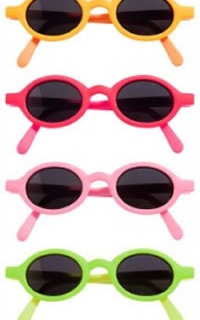
• Avoid eye damage by having your children wear sunglasses with 100% UV protection. Call your doctor if it hurts your child to look at light, it may be a sunburn of the eye’s cornea. Sun exposure can also lead to cataracts.
• Some medications, especially antibiotics and acne medication, can make you more sensitive to the sun. Check your child’s prescriptions or over-the-counter medications to see if they increase sun sensitivity. If they do, be sure to cover up or stay indoors.
How to Treat a Sunburn
• Keep your child in the shade at the first sign of a sunburn. Being out in the sun will only make it worse.
• Give your child a cool, but not cold, bath to reduce the pain and heat.
• Put pure aloe vera gel on the sunburn to help with the pain and speed up the healing process.
• Give a pain reliever (like acetaminophen, ibuprofen, or an over-the-counter spray on “after-sun” pain reliever) to help ease the symptoms.
• Use a topical moisturizing cream to rehydrate the skin and avoid swelling. Make sure it isn’t petroleum-based and that it does not contain benzocaine, as these should not be used on burns.
• Don’t scratch off loose skin as the burn begins to heal — the sensitive skin underneath is susceptible to infection.
• Call your doctor if blisters develop or if the sunburned skin looks infected. Do not pop blisters.
For more information:



 Medicines & Dosages
 Pay Your Bill
 Surveys & Questionnaires
 Pediatric Newsletter
 Patient Portal
 Locations