RSV and Infants: Why Are Babies More Vulnerable?
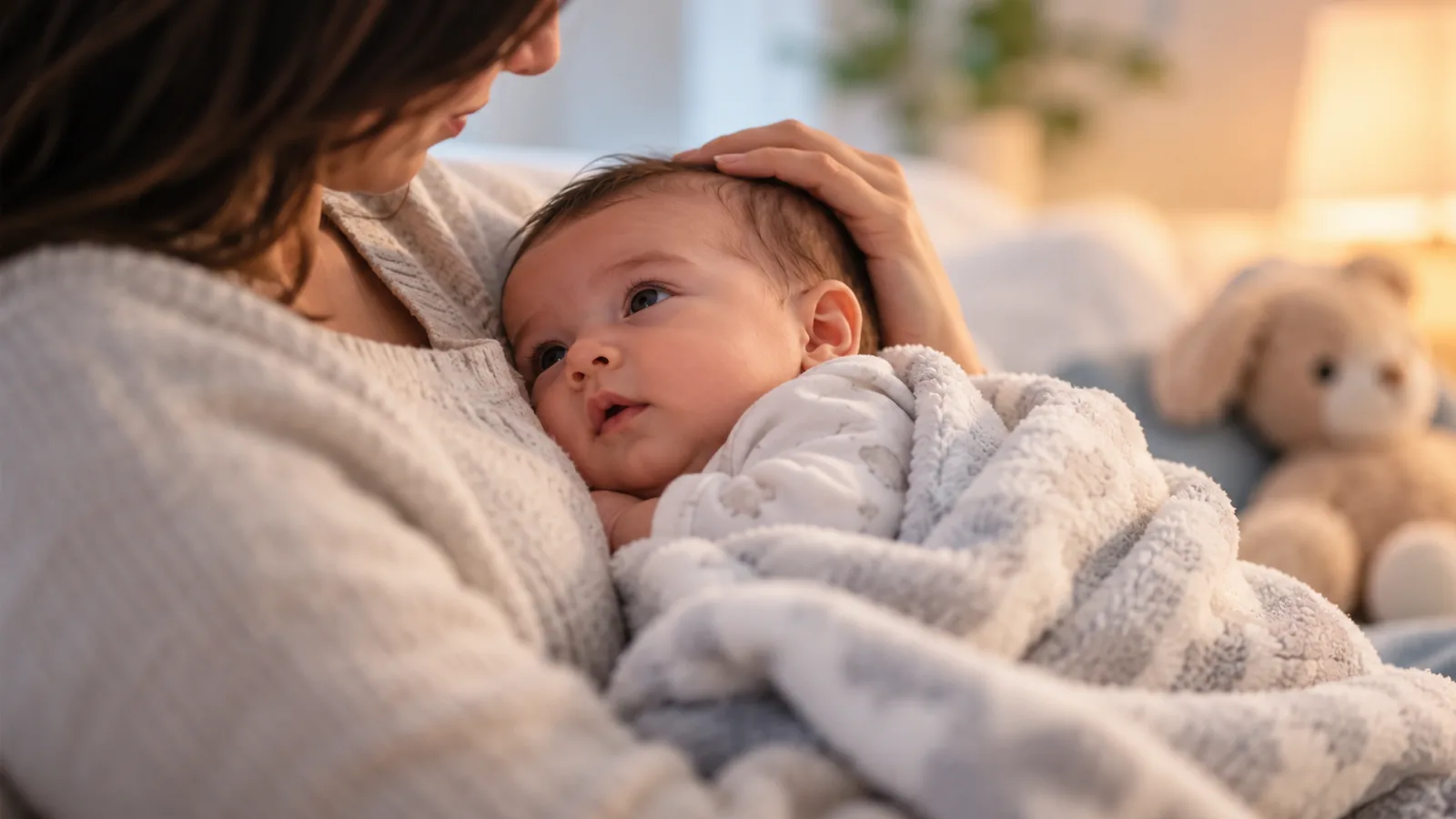
A runny nose, a little congestion, or an occasional cough might not seem unusual for a baby. But during RSV season, even mild cold symptoms deserve extra attention, especially in newborns and young infants.
For parents throughout Utah County, understanding when a baby’s cold symptoms could signal something more serious is especially important during the fall and winter months.
Respiratory syncytial virus (RSV) is a common respiratory virus that infects nearly all children before their second birthday. While most children recover without complications, RSV can cause serious breathing problems during a baby’s first year.
According to the Centers for Disease Control and Prevention (CDC), approximately two to three out of every 100 infants younger than three months are hospitalized with RSV each year.
Understanding why RSV affects infants differently, recognizing warning signs, and knowing how to protect your baby can help you navigate RSV season with greater confidence.
Why Is RSV More Dangerous for Newborns and Infants?
Babies are especially vulnerable to RSV because their lungs, airways, and immune systems are still developing.
Three factors make RSV particularly concerning during the first year:
- Smaller airways: A baby’s breathing passages are much narrower than an older child’s. Even a small amount of swelling or mucus can make breathing difficult.
- Developing immune systems: Young infants are still building their ability to fight infections, making them more susceptible to severe respiratory illness.
- Difficulty feeding: Congestion and breathing difficulties can interfere with nursing or bottle-feeding, increasing the risk of dehydration.
RSV can also cause bronchiolitis, an infection that inflames the smallest airways in the lungs, or pneumonia. These complications are more concerning in young infants because their respiratory systems have less capacity to handle inflammation.
The American Academy of Pediatrics (AAP) explains that infants are especially susceptible to bronchiolitis because their smaller airways become blocked more easily.
What Are the First Signs of RSV in Babies?
RSV often begins with symptoms that resemble a common cold. However, symptoms can become more serious over the following days.
Parents should watch for:
- Runny nose or nasal congestion
- Coughing or sneezing
- Decreased appetite or difficulty feeding
- Unusual fussiness or irritability
- Wheezing or rapid breathing
- Reduced activity or unusual tiredness
Very young infants may not develop a fever. Instead, they may show decreased activity, difficulty feeding, or pauses in breathing.
According to HealthyChildren.org, RSV symptoms are often most severe between days three and five of illness.
RSV Symptoms in Infants: When Should Parents Be Concerned?
Knowing the difference between mild symptoms and warning signs can help parents decide when to seek medical attention.
| Symptoms |
What Parents Should Do |
| Mild congestion, sneezing, or occasional coughing |
Monitor symptoms and contact your pediatrician if they worsen or you have concerns |
| Difficulty feeding or fewer wet diapers |
Contact your pediatrician promptly |
| Wheezing or rapid breathing |
Contact your pediatrician immediately for urgent evaluation |
| Increased breathing effort, including chest retractions, grunting, or pauses in breathing |
Seek emergency medical care immediately |
| Fever of 100.4°F or higher in an infant younger than 3 months |
Contact your pediatrician immediately for urgent medical evaluation |
| Blue or gray lips, severe difficulty breathing, or unresponsiveness |
Call 911 immediately |
If you’re concerned about your baby’s breathing, feeding, or behavior, don’t hesitate to contact your pediatrician. Utah Valley Pediatrics has a 24-hour phone line, so you can reach out with questions or concerns, even after regular office hours.
If something about your baby’s breathing, feeding, or behavior concerns you, don’t wait for symptoms to become severe before contacting your pediatrician.
How Can Parents Protect Their Babies From RSV?
For families throughout Utah Valley, understanding how RSV spreads and taking a few simple precautions can help protect newborns and young infants.
1. Ask about RSV immunization. The CDC recommends protecting infants through maternal RSV vaccination during pregnancy or a preventive RSV antibody given directly to the baby. Most babies do not need both. Your pediatrician can help determine which option is appropriate.
2. Practice good hand hygiene. Wash your hands before holding or feeding your baby, and encourage family members and visitors to do the same.
3. Limit exposure to sick individuals. Ask anyone experiencing cold symptoms to postpone visits, especially during your baby’s first few months.
4. Clean frequently touched surfaces. RSV can spread through respiratory droplets and contaminated surfaces, including toys and doorknobs.
5. Avoid tobacco smoke. Keeping your baby’s environment smoke-free helps protect their developing lungs.
The CDC’s infant RSV immunization guidance explains the available options for protecting babies against severe RSV.
How Is RSV Treated in Infants?
Most babies with RSV recover with supportive care at home, but some require additional medical attention.
For mild symptoms, your pediatrician may recommend using saline nose drops and gentle suctioning to relieve congestion, offering smaller and more frequent feedings, and monitoring breathing and hydration.
Antibiotics do not treat RSV because it is caused by a virus. Over-the-counter cough and cold medicines should not be given to infants.
Babies who develop significant breathing difficulties or dehydration may require hospitalization for oxygen, fluids, or other supportive care.
If your baby is younger than three months or symptoms are worsening, contact your pediatrician promptly for guidance.
Frequently Asked Questions About RSV in Babies
Can a newborn get RSV?
Yes. Newborns can become infected with RSV, including during their first weeks of life. Because their airways and immune systems are still developing, newborns are particularly vulnerable to serious complications.
What age is RSV most dangerous?
RSV can affect children of any age, but the risk of severe illness is highest in the youngest infants, particularly those younger than six months. Premature babies and infants with certain heart, lung, or immune conditions face additional risks.
How long does RSV last in infants?
RSV symptoms typically last one to two weeks, although coughing may continue longer. Symptoms often worsen during the first several days before gradually improving.
Can babies get RSV more than once?
Yes. Children and adults can get RSV multiple times throughout their lives. Previous infection does not provide complete immunity, although subsequent infections are often less severe.
Is there an RSV vaccine for newborns?
Newborns do not receive a traditional RSV vaccine. Instead, eligible babies can receive a preventive antibody injection, such as nirsevimab or clesrovimab. Vaccination during pregnancy is another way to protect infants during their first months of life.
Where Can I Get My Baby Checked for RSV in Utah County?
If your baby is showing signs of RSV, Utah Valley Pediatrics offers pediatric care at locations throughout Utah County. Our friendly and experienced pediatricians can evaluate your baby’s symptoms, recommend appropriate care, and help you understand when additional treatment may be necessary.
For breathing emergencies, call 911 rather than waiting for an office appointment.
Protecting Your Baby During RSV Season
RSV can be concerning for parents, particularly during a baby’s first year. The good news is that most infants recover, and preventive immunizations and early medical attention can help reduce the risk of serious complications.
At Utah Valley Pediatrics, our pediatricians help families throughout Utah County recognize RSV symptoms, understand prevention options, and get the care their babies need.
With convenient locations throughout Utah Valley, extended evening hours, and a 24-hour phone line, we’re here when you need us.
Find a Utah Valley Pediatrics location near you or call to discuss your baby’s health.


 Medicines & Dosages
 Pay Your Bill
 Surveys & Questionnaires
 Pediatric Newsletter
 Patient Portal
 Locations